30 plant points: What they are and why your gut needs them 🥕🥒
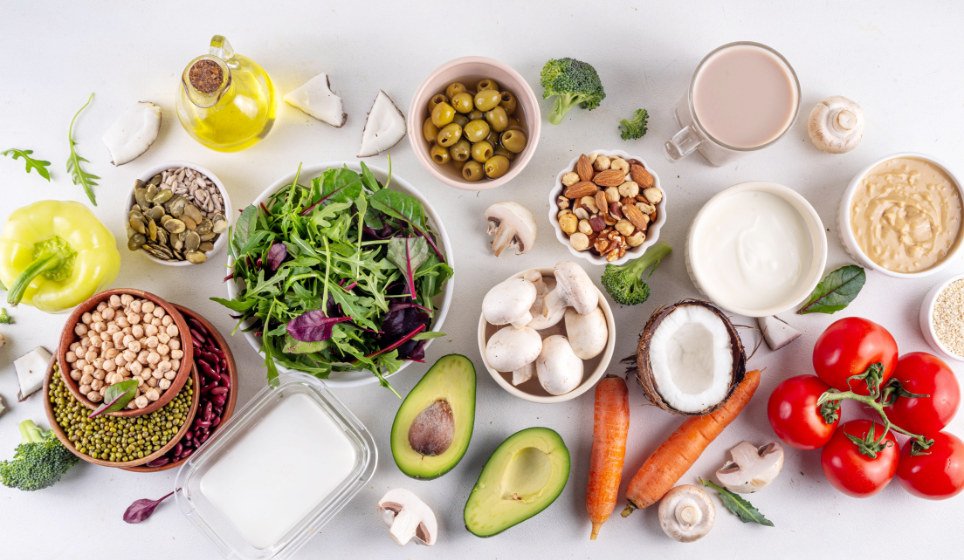
In the UK, most people are familiar with the NHS-backed “five a day” message, but there’s a growing focus on something different: the idea of eating 30 different plant foods per week.
Rather than focusing on quantity, this approach is all about variety, encouraging people to include 30 different plant-based ingredients across seven days to help support gut health and overall wellbeing.
The concept comes from findings linked to the American Gut Project, a large-scale study involving more than 10,000 participants. Researchers found that individuals who consumed a wider variety of plant foods tended to have more diverse gut microbiomes, something associated with better health outcomes.
As Dr Shireen Kassam explains, greater diversity in plant intake appears to support a more balanced and resilient gut environment.
What counts towards the 30?
Plant points are typically grouped into categories such as:
- Vegetables
- Fruit
- Wholegrains (such as oats, brown rice, barley and quinoa)
- Legumes (beans, lentils and chickpeas)
- Nuts and seeds
- Herbs and spices
Most whole plant foods count as one point, while herbs and spices are usually classed as a quarter point due to the smaller quantities used.
The key factor is variety, different plants contribute different beneficial compounds, particularly polyphenols, which are linked to antioxidant and anti-inflammatory properties. In simple terms, the more varied your plant intake, the broader the range of nutrients you’re likely to consume.
What doesn't count?
Refined or heavily processed foods generally don’t qualify. For example, white bread, white rice and standard pasta have been stripped of much of their fibre and nutrients, so they aren’t included in the count. Similarly, fruit juice doesn’t contribute, as it lacks the fibre found in whole fruit.
Wholegrain alternatives such as brown rice, wholewheat pasta and seeded breads do count, as do whole foods like tofu, nuts and seeds.
Is it achievable?
Reaching 30 plant points a week is more realistic than it might sound. Small, consistent changes make a big difference—such as:
- Swapping refined grains for wholegrains
- Adding extra vegetables to familiar meals
- Using herbs, spices, nuts and seeds more freely
- Rotating ingredients across meals rather than repeating them
Batch cooking, frozen mixed vegetables, and tinned beans or lentils can also make it easier to build variety into everyday meals without extra effort.
Why does gut health matter?
The gut plays a central role in overall health, supporting digestion, nutrient absorption, immune function, and even aspects of mental wellbeing. Around 70% of the immune system is located in the gut, highlighting its importance beyond digestion alone.
When gut health is out of balance, symptoms such as bloating, discomfort, or irregular digestion may appear, but sometimes the effects are less obvious.
As experts note, good gut health isn’t always visible through symptoms alone; it can also influence broader areas like energy levels, immunity, and overall wellbeing.

Become a Customer
For more information contact our Customer Excellence team